 Mary Elizabeth Potter Playne (March 2, 1849 - February 21, 1923) was an English philanthropist, educational pioneer, and member of the prominent Potter family.
Queer Places:
Longfords Mill, Stroud GL6 9AN, UK
Holy Trinity Churchyard, Bell Ln, Minchinhampton, Stroud GL6 9BP, United Kingdom
Mary Elizabeth Potter Playne (March 2, 1849 - February 21, 1923) was an English philanthropist, educational pioneer, and member of the prominent Potter family.
She was the daughter of Richard Potter (1817–1892), a wealthy industrialist and chairman of the Great Western Railway, and Lawrencina Heyworth (1821–1882).
She married Arthur Twisden Playne (1843–1923) in 1870. The couple resided at Longfords, Minchinhampton, Gloucestershire, where the Playne family owned Longfords Mill.
As the third of the nine famous Potter sisters (Lawrencina, Catherine, Georgina, Blanche, Theresa, Margaret, Beatrice, Rosalind), Mary was raised in a highly intellectual, politically active, and non-conformist Victorian household. Her sisters included famous sociologist and Fabian socialist Beatrice Webb (née Potter) and social activist Catherine Courtney (Baroness Courtney of Penwith).
Unlike her sister Beatrice, who focused on political theory and national labor reform, Mary directed her energy toward practical education and local social welfare:
In 1891, she founded the Gloucestershire School of Domestic Science (later the Gloucestershire Training College of Domestic Science) in Gloucester.
She served as the first chairman of its governing committee, pioneering formal, professionalized domestic science education in Western England.
While Mary Potter Playne herself lived in a conventional upper-class Victorian marriage, her life, family network, and archive intersect with early LGBTQ+ history in several significant ways:
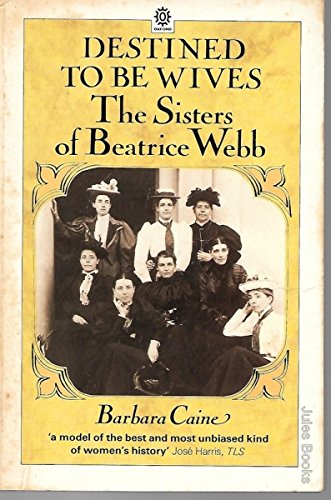
The nine Potter sisters were widely studied in 20th-century gender and social history (notably in Barbara Caine's biographical study Destined to be Wives: The Sisters of Beatrice Webb). The sisters constantly navigated and challenged Victorian gender boundaries, emotional intense same-sex friendships, and non-traditional domestic arrangements.
Through her close lifelong ties to her sister Beatrice Webb and brother-in-law Sidney Webb, Mary was part of the extended social ecosystem surrounding the Fabian Society. This progressive network hosted, supported, and collaborated with seminal early LGBTQ+ figures and queer activists of late-Victorian and Edwardian Britain—including Edward Carpenter (pioneering advocate for gay emancipation and sexual reform), Rupert Brooke, and key early members of the Bloomsbury Group.
Beatrice Webb’s extensive published diaries and family correspondence frequently chronicle Mary Playne’s commentary, visits, and interactions across their extended political and intellectual family network. These letters provide historians with key insights into the private lives, emotional bonds, and social shifts regarding gender and sexuality among progressive Victorian women.
References:
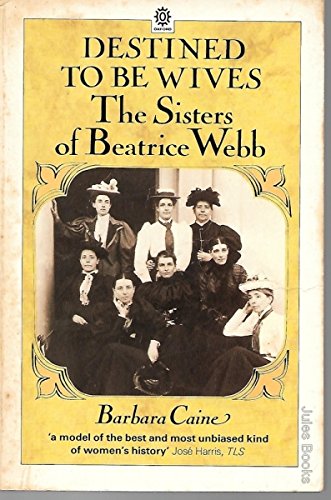 Destined to be Wives: The Sisters of Beatrice Webb by Barbara Caine |
 Women, Peace and Welfare: A Suppressed History of Social Reform, 1880-1920 Paperback – June 1, 2019 by Ann Oakley |
Other references:
Support this project
This website is a passion project researched, developed, and funded entirely by me. If you find the content valuable and would like to help support the ongoing research and hosting costs, any contribution is deeply appreciated.
Thank you for keeping this independent resource alive!
My books on Amazon: Elisa Rolle's books